AI Visual Inspection for Defect Detection in Manufacturing
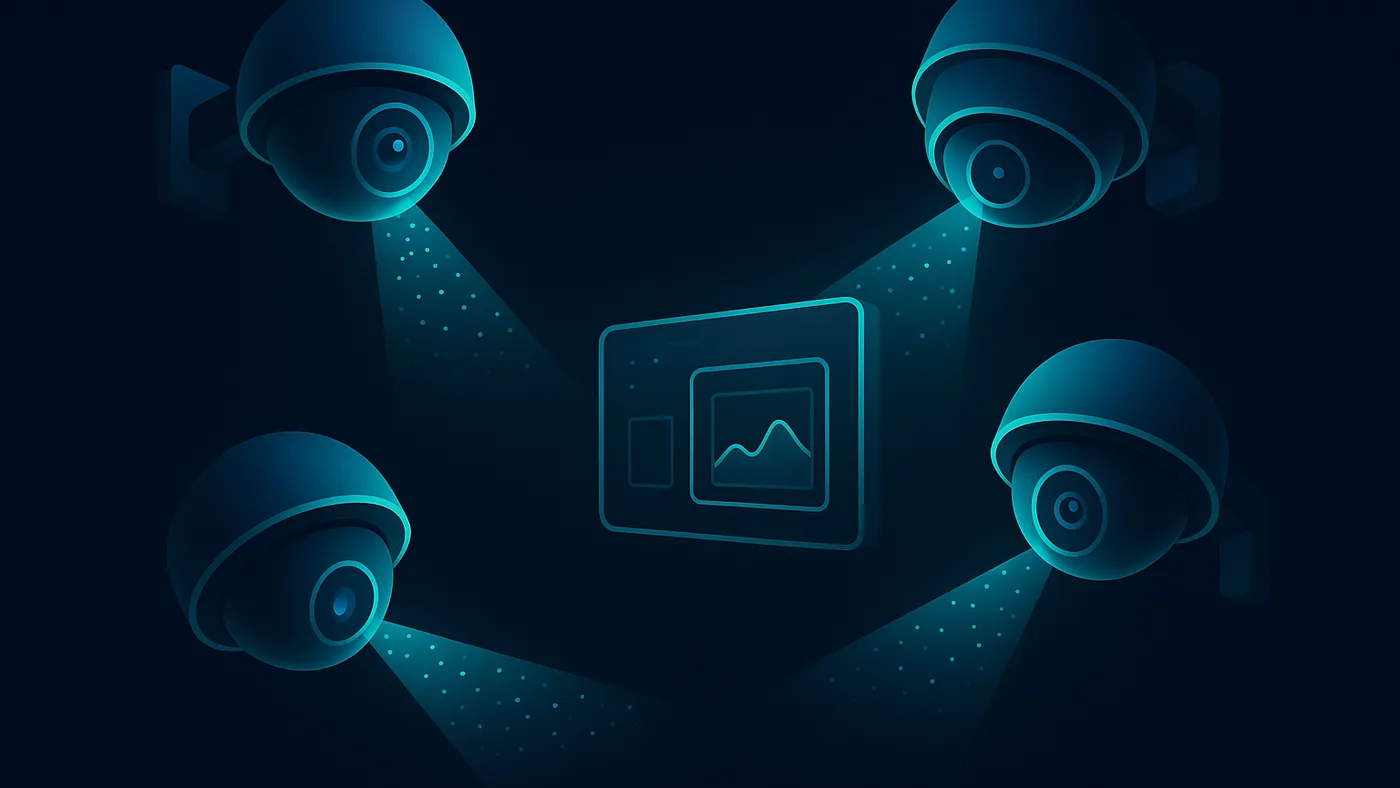
acty.dev's AI visual inspection capability watches production-line cameras for defects, missing components, misalignment, or packaging faults, and turns manual line checks into a reviewable, camera-based inspection signal.
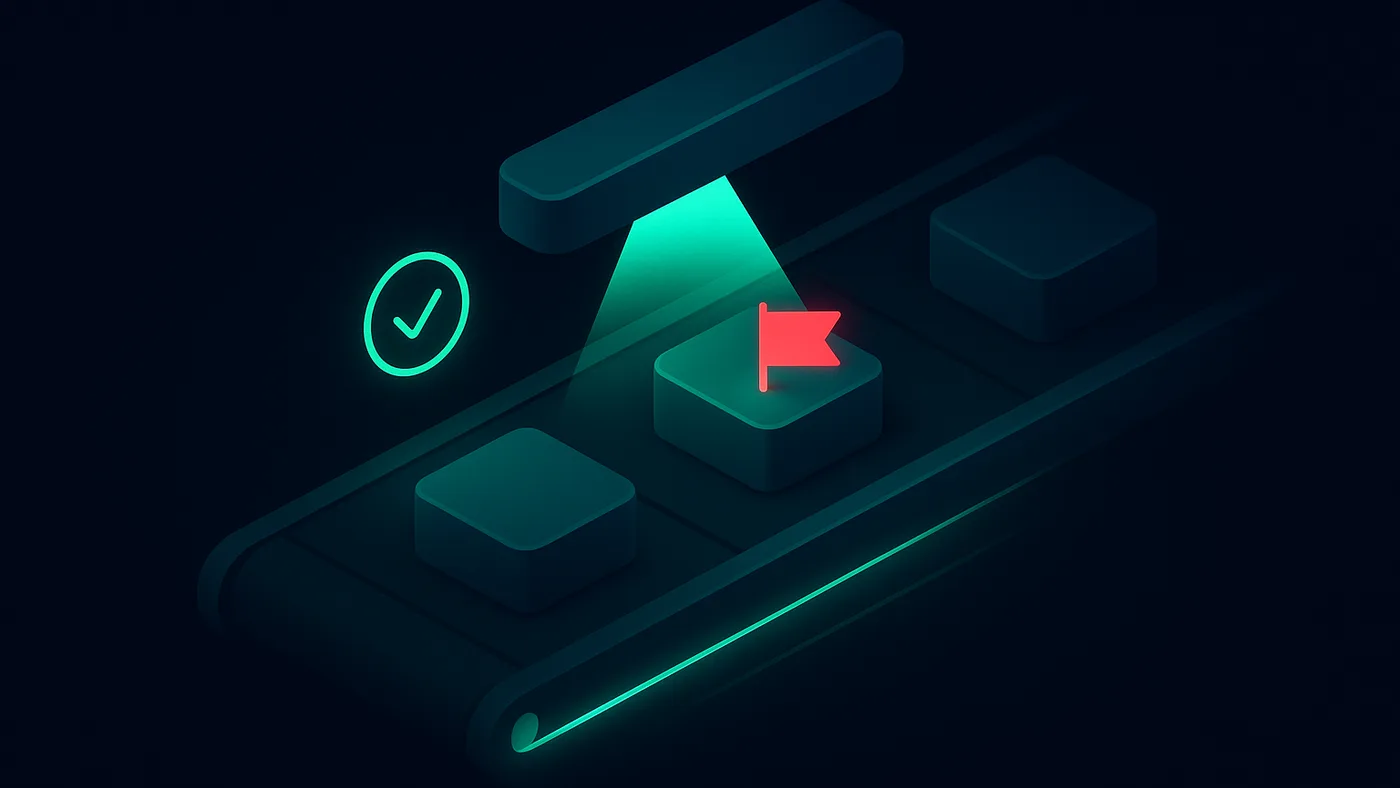
acty.dev’s AI visual inspection capability watches production-line cameras for defects, missing components, misalignment, or packaging faults, turning a manual line check into a reviewable, camera-based inspection signal kept under human review. Every deployment starts as a pilot on your own footage or existing CCTV, scored against thresholds you agree to in advance, so you see how the inspection performs on your line before any wider rollout.
The problem we solve
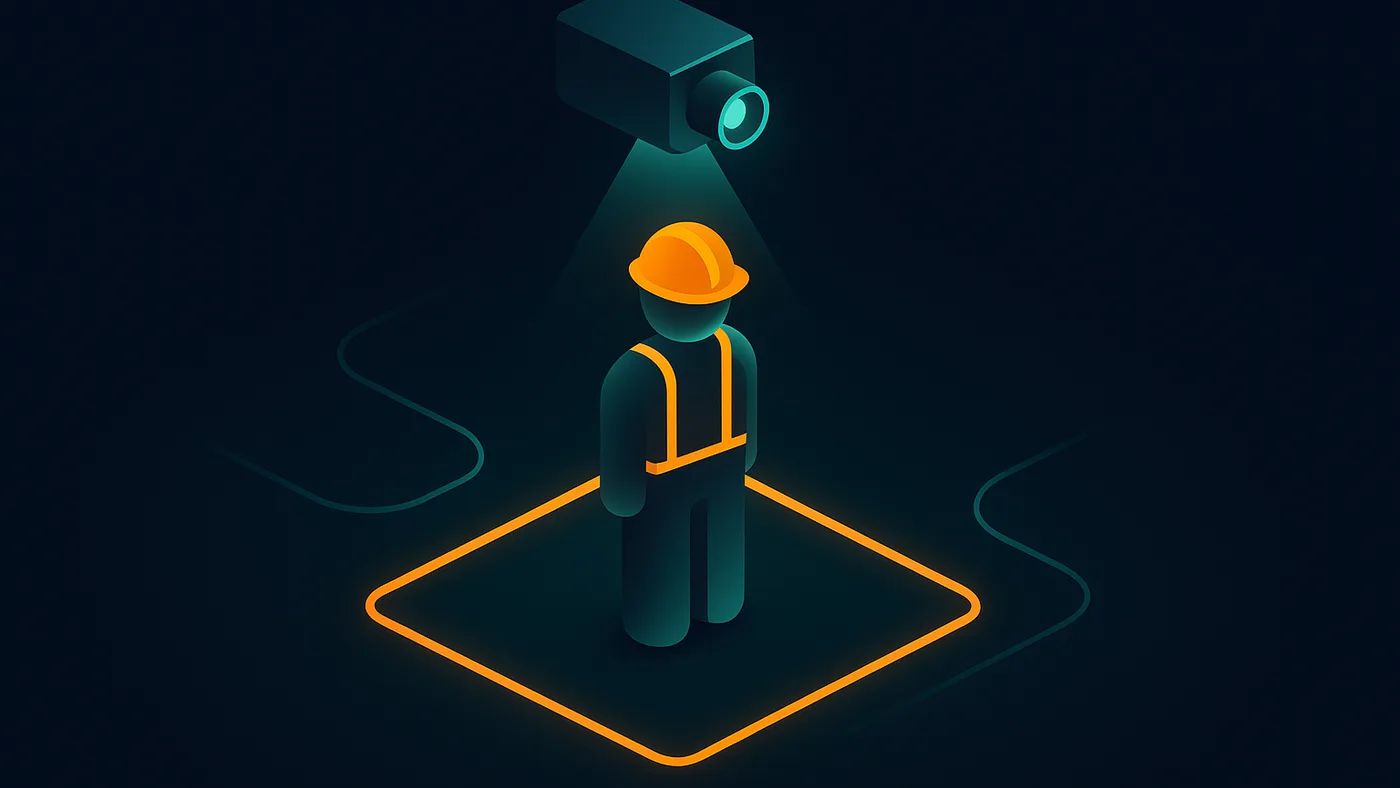
Manual visual inspection on a production line is slow, inconsistent between shifts, and hard to scale as volume grows. Common defects, missing components, misalignment, and packaging faults still slip through, and there is rarely a consistent record of what was checked or missed.
How we work
- Pilot scoping.We agree on the defect, fault, or condition types to catch, plus the control sample, the allowed miss and false-positive rates, and the target detection latency, before any build starts.
- Pilot on your footage.We run inspection against your own production-line footage or existing CCTV, in a cloud or on-premises setup, and validate flagged results against the agreed control sample.
- Integration.Confirmed detections are connected into your existing line or quality process: dashboards, alerts, or notification channels, in the format your team already uses, with the integration confirmed before rollout.
- Rollout and support.We move from a confirmed pilot to full-line rollout with documentation and edge-case notes, and offer ongoing support or tuning as products, lines, or lighting conditions change.
What you bring / what you get
Inputs
- Camera access or existing CCTV footage on the relevant production line or station
- Example images or footage of the defects, faults, or conditions to catch
- The manual inspection steps and decisions they currently require
Outputs
- A piloted visual inspection capability, validated against agreed acceptance thresholds, for the agreed defect or fault types
- Reviewable flagged output with edge-case notes
- Documentation and a handoff or deployment checklist
Definition of done.A visual inspection pilot validated against an agreed defect or fault set, control sample, allowed miss and false-positive rates, and target latency, with confirmed detections integrated into your existing line or quality systems in an agreed notification format, documented and integration-confirmed for full-line rollout.
Fit and anti-fit
Good fit
- Production lines with existing or plannable camera coverage
- Teams that need a specific, defined set of defects or faults caught
- Buyers who need a working capability delivered, not just advice
Not a fit
- Lines with no camera access and no plan to add it
- Idea-only requests with no defined defect type or line
- Micro-budgets with no defined scope
Questions
- What does AI visual inspection from acty.dev include?
- A piloted inspection capability that watches your production-line cameras for the defect, fault, or condition types you define, validated against an agreed control sample and acceptance thresholds, then delivered with reviewable output, edge-case notes, and documentation.
- How does the pilot work?
- We agree on the defect or fault types to catch, a control sample, and allowed miss and false-positive rates, then run inspection on your own production-line footage or existing CCTV, in a cloud or on-premises setup, before any full-line rollout.
- What kinds of defects can it catch?
- The exact defect and fault types are defined during your task review; common examples across manufacturing lines include surface defects, missing or misaligned components, and packaging faults, matched to what your cameras can actually see.
- Does it replace our quality team?
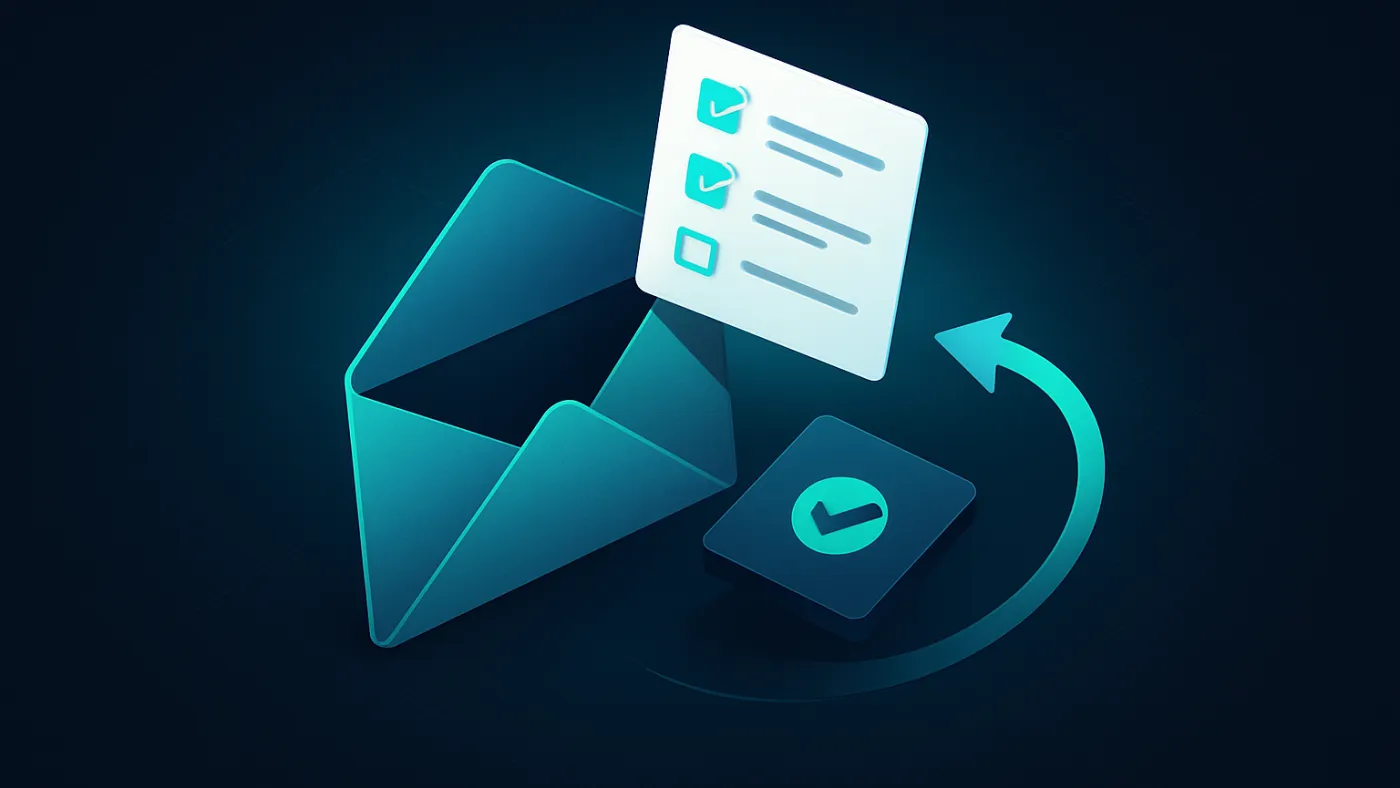
- No. Flagged results are kept under human review rather than triggering an automatic reject decision, and we hand over a review checklist so your team stays in control of the final call.
- What is out of scope?
- We do not make guaranteed-accuracy, defect-rate, or ROI claims ahead of a task review, and we do not commit to a specific camera or hardware brand before reviewing your line.
- How is this priced?
- Small scoped tasks can start from a few hundred dollars. Larger camera and line coverage, and ongoing monitoring, are scoped after a task review.
Pricing.Small scoped tasks can start from a few hundred dollars. Larger camera and line coverage, and ongoing monitoring retainers, are scoped after a task review. (Scoped after a task review.)